We work with tested methods and concepts
We use all available knowledge to ensure the best solutions.
First Free Online Session
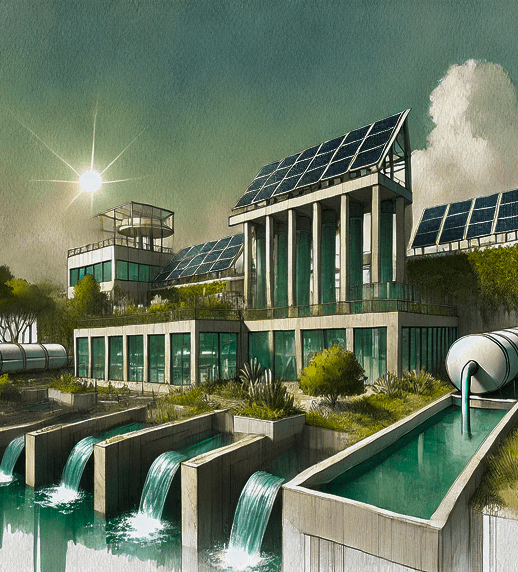
Regenerative Design
Life changing thinking
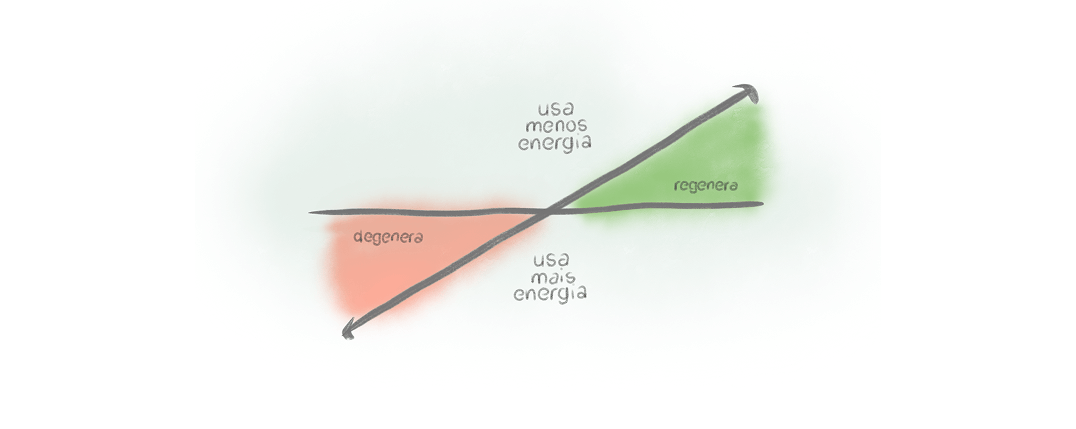
Regenerative Design is an innovative approach that goes beyond sustainability, focusing on the regeneration of natural, social and economic systems. It seeks not only to minimize negative impacts, but to restore, revitalize and create conditions for ecosystems and communities to flourish. This concept is fundamental to addressing global challenges such as climate change, biodiversity loss and social inequalities.
Principles of Regenerative Design:
- Integration with Nature: Working in harmony with natural cycles, promoting biodiversity and resilience.
- Living Systems: Designing solutions based on the understanding of systems as living and interconnected organisms.
- Local Culture: Valuing local knowledge and cultural characteristics as an essential part of design.
- Co-creation and Participation: Involving communities in the planning process, fostering solutions adapted to their needs.
- Resilience and Circularity: Creating systems that adapt to change and continuously reuse resources.
Application Examples:
- Community: Initiatives that strengthen community bonds, such as solidarity economy projects, regenerative education, and shared spaces that promote social inclusion and collective well-being, leaving a cultural and social legacy for future generations.
- Agroecology: Agricultural systems that regenerate soil, increase biodiversity, and sequester carbon.
- Urbanism: Urban planning that integrates ecological corridors, restores wetlands, and promotes sustainable transportation, fostering positive community relationships.
Eco-Design
Circular solutions for a circular economy
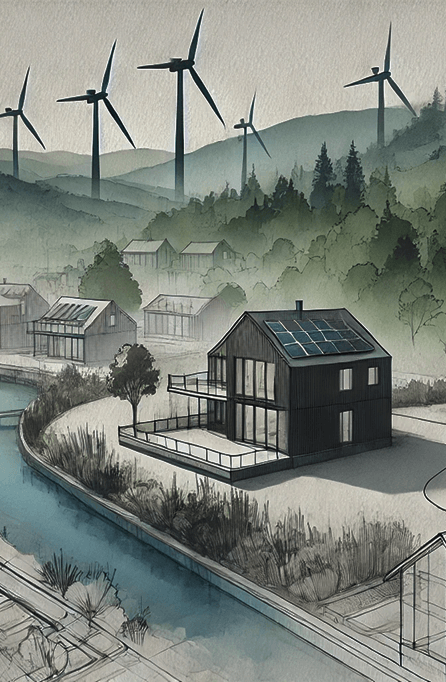
Ecodesign is a design approach that integrates environmental considerations throughout the entire life cycle of a product, from conception to disposal. The main objective of Ecodesign is to minimize environmental impact, promoting sustainability and resource efficiency.
Ecodesign principles:
- Choosing sustainable materials: giving priority to recyclable, renewable or biodegradable raw materials.
- Energy efficiency: reducing energy consumption in the production and use of the product.
- Durability and repairability: creating products that are durable and easy to repair, extending their life cycle.
- Waste reduction: designing products that generate less waste during production and after use.
- Reuse and recycling: facilitating the dismantling and recycling of components at the end of their useful life.
Practical examples:
- Using compostable packaging or recycled materials.
- Designing furniture made from certified or reclaimed wood.
- Designing electronic devices to allow for upgrades, reducing waste.
Benefits:
- Reduces environmental impact.
- Promotes the circular economy.
- Reinforces the environmental responsibility of companies and consumers.
Systems Thinking
An Holistic approach to design
Systems thinking is a holistic approach that considers the interconnections, dynamics and interdependencies between different elements of a system. When applied to design and regeneration, this concept involves designing solutions that integrate social, environmental, economic and cultural factors, in order to promote a balanced and regenerative interaction between the elements.
Principles of systems thinking:
- Holistic perspective: Analyzes complex systems as a whole, understanding that the parts do not function in isolation, but rather as interconnected components.
- Interdependence: Considers how changes in one element affect the whole, promoting conscious and sustainable decisions.
- Regenerative focus: Goes beyond sustainability by seeking to restore, renew and revitalize natural and social systems.
In regenerative design, systems thinking allows for the creation of solutions that:
- Respect natural cycles, promoting biodiversity and ecosystem health.
- Strengthen local communities, integrating social and cultural contexts.
Adopt circular economy practices, avoiding waste and maximizing resources.
Importance for Companies and Projects
Systems thinking is crucial because it:
- Reduces Risks: By anticipating the consequences of decisions through the analysis of interdependent relationships, negative impacts are avoided.
- Promotes Innovation: Identifying complex interactions can reveal creative opportunities and new ways of solving problems.
- Increases Resilience: Systems designed in a regenerative way are more adaptable to crises and changes, whether environmental or economic.
- Creates Sustainable Value: The systemic approach generates long-term positive impact for companies, communities and the planet.
Regenerative Agriculture
An Integrated Approach to Sustainable Farming

Regenerative Agriculture is an integrated approach to agricultural production that promotes soil health, restores ecosystems, captures carbon, and enhances climate resilience. The primary goal is not just to sustain production but to regenerate natural resources, ensuring long-term productivity and environmental health.
Key Methods and Techniques of Regenerative Agriculture
1. Permaculture
A design system that mimics natural patterns, creating productive and resilient landscapes by combining agriculture, water management, and sustainable construction.
2. Syntropic Farming
Based on ecological succession, it combines trees, crops, and pastures to regenerate soils and increase biodiversity.
3. Successional Agroforestry
Integrates trees and crops in diverse layers, mimicking natural ecosystems and promoting soil recovery.
4. Rewilding
A process of ecosystem restoration focused on reintroducing native species and creating habitats for wildlife.
5. Tiny Forests
Dense planting of native forests in small spaces, regenerating biodiversity and providing climate benefits.
6. Biodynamic Agriculture
A holistic system that uses natural preparations and respects celestial rhythms to enrich soils and improve crop health.
7. Regenerative Grazing
Rotational livestock movement that mimics natural pastures, enriching the soil and promoting its regeneration.
8. Agroecological Systems
Integrates traditional practices with innovation, creating sustainable and equitable agricultural systems.
Nature-Centered Focus
These methodologies share a common goal: regenerating soils and landscapes, increasing biodiversity, and creating resilient agricultural systems.
Regenerative Agriculture
An Integrated Approach to Sustainable Farming
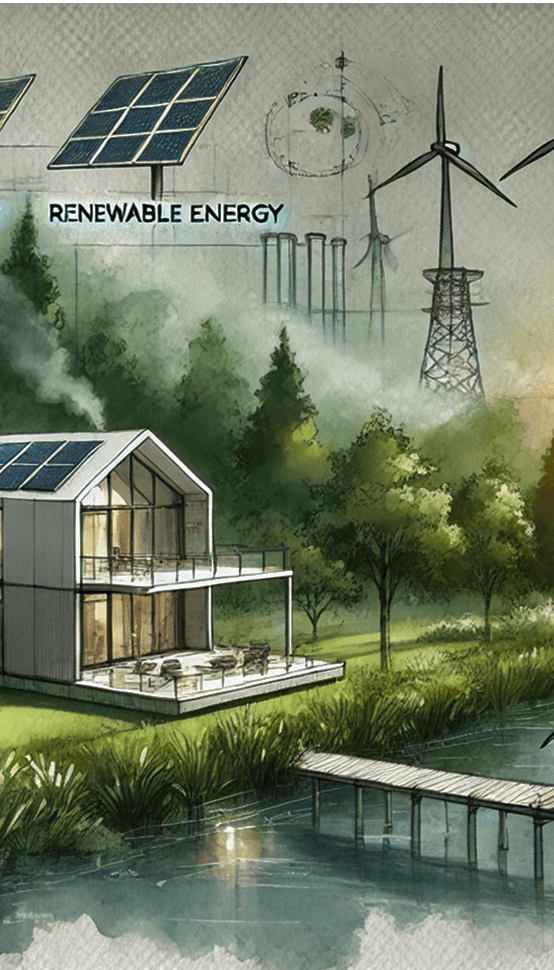
Regenerative architecture is a design and construction approach that goes beyond sustainability, aiming to create built environments that regenerate natural ecosystems, promote human health, and restore ecological balance. This concept views buildings as part of living systems, integrating them harmoniously into the environment so they become catalysts for regeneration rather than mere resource consumers.
Principles of Regenerative Architecture
- Interconnection with Living Systems: Design should respect and integrate with natural cycles, promoting biodiversity and enhancing local ecosystems.
- Biophilic Design: Incorporating natural elements into buildings to foster human well-being and strengthen the connection with the natural environment.
- Positive Life Cycle: Structures that generate more energy than they consume and treat their waste as valuable resources.
- Community Participation: Engaging local communities to create projects that address social, cultural, and environmental needs.
- Climate Resilience: Developing adaptable buildings that respond to climate change and other ecological challenges.